

The Journey of the Lalibela Olive Tree Project
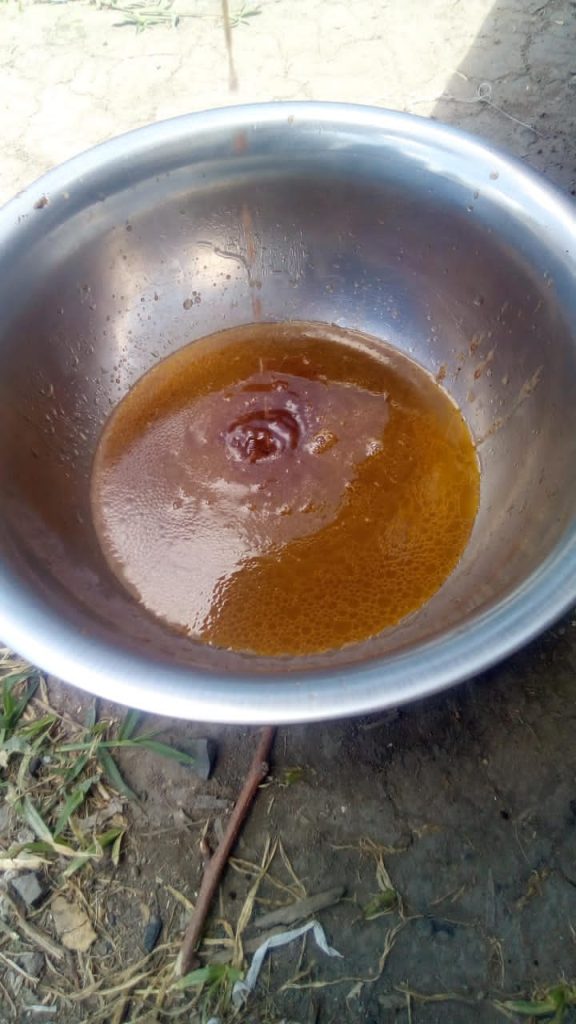
The Lalibela Olive Tree Project began with a simple but ambitious vision: to introduce olive cultivation as a sustainable agricultural solution that could improve livelihoods, protect the environment, and create new economic opportunities for rural communities in Ethiopia.
Inspired by the growing global demand for olive oil and the favourable climate of the Lalibela highlands, our association recognised the potential of olive trees to transform both the landscape and the lives of local people. What started as a small initiative has steadily grown into a long-term development project with the potential to benefit future generations.
The Beginning
In 2008, our association made a significant investment in the future by purchasing 2,000 olive tree seedlings, each costing €8. Although olive trees require patience before reaching full production, we believed they would become a valuable and sustainable resource for the community.
The seedlings were carefully planted, nurtured, and monitored as they adapted to the local environment. Years of dedication, careful management, and continuous learning laid the foundation for the project’s future success.
A Milestone in Growth
After several years of cultivation, the olive trees matured and began producing fruit. Encouraged by these positive results, the association expanded the project, and since 2012 has successfully cultivated 3,000 olive trees that continue to produce olives every year.
This achievement confirmed that olive cultivation is well suited to the Lalibela region and demonstrated the potential for establishing a sustainable olive industry in Ethiopia.
Expanding Our Vision
Building on this success, the project evolved from simply growing olive trees to developing a comprehensive plan for community development and economic growth.
Today, the project aims to:
- Expand nursery production to grow more olive seedlings.
- Secure additional land for new olive plantations.
- Establish a modern olive oil processing facility.
- Produce premium Ethiopian olive oil for local and international markets.
- Create employment opportunities for local communities.
- Reinvest project income into community development programmes.
This long-term vision ensures that the benefits of the project extend far beyond agriculture.
Supporting Communities
From the beginning, the project has been driven by a commitment to improving the lives of rural families.
Income generated from olive oil production will be reinvested into initiatives that provide:
- Irrigation systems for farmers.
- Access to clean and reliable water.
- Agricultural tools and farming equipment.
- Training and technical support.
- Employment opportunities for youth and women.
By investing in people as well as agriculture, the project creates lasting benefits for the wider community.
Protecting the Environment
The Lalibela Olive Tree Project also contributes to environmental conservation. As the number of olive trees increases, the project helps restore degraded land, improve soil quality, reduce erosion, increase biodiversity, and contribute to climate change mitigation by creating greener landscapes.
Sustainability remains at the heart of every stage of the project, ensuring that natural resources are protected while supporting economic development.
Looking to the Future
The journey of the Lalibela Olive Tree Project is only beginning. With continued support from partners, donors, government institutions, NGOs, embassies, and private investors, the project will continue to expand its nursery, increase olive production, establish an olive oil processing facility, and bring premium Ethiopian olive oil to international markets.
Our long-term goal is to build a sustainable olive industry that creates employment, generates foreign exchange income for Ethiopia, supports rural development, and inspires future generations through innovation, partnership, and environmental stewardship.
Every olive tree planted represents hope, resilience, and a lasting investment in Ethiopia’s people, environment, and future.