

Welcome to

Lalibela &
Olive Tree gImage

Lorem ipsum dolor sit amet, consectetur adipiscing elit. Ut elit tellus, luctus nec ullamcorper mattis, pulvinar dapibus leo.

Welcome to agrios farming

Agriculture &
Eco FarmingImage

Lorem ipsum dolor sit amet, consectetur adipiscing elit. Ut elit tellus, luctus nec ullamcorper mattis, pulvinar dapibus leo.

Our Introductions

Lalibela Olive Tree

Lalibela Olive Tree Project

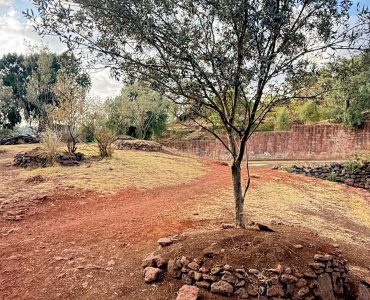
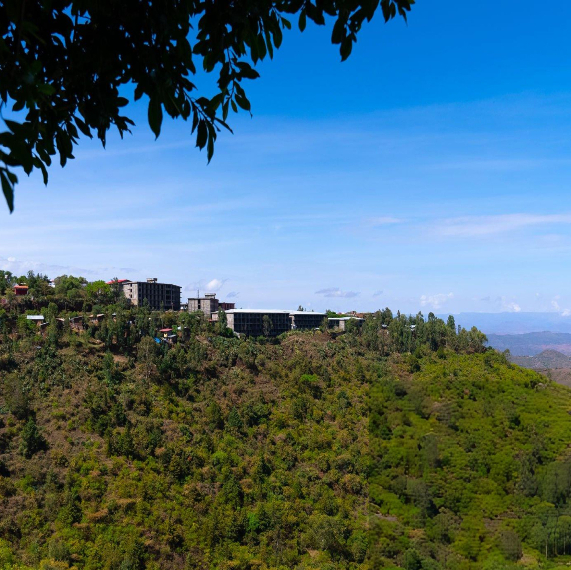
The Lalibela Olive Tree Project is an innovative initiative dedicated to introducing and expanding olive cultivation in Ethiopia’s highlands. Inspired by the region’s favorable climate and rich agricultural heritage, the project promotes sustainable land management while creating economic opportunities for local communities.

Our vision extends beyond planting trees. We are building a long-term program that integrates environmental restoration, agricultural innovation, education, and community development. Through collaboration with local authorities, research institutions, development organizations, and international partners, the project seeks to establish Lalibela as a leading center for olive cultivation in East Africa.

Growing fruits
vegetables

Tips for ripening
your fruits

Lorem Ipsum is not simply random text.
Making this the first true generator on the internet.
Our Services

What We Offer

Sustainable
Olive Cultivation

Community
Development
Environmental
Restoration
Research
& Innovation
Growing Hope, One Olive Tree at a Time!

Watch our video

Recently Completed

Explore Projects

Our Vision

To transform Lalibela into a model of sustainable olive cultivation, environmental restoration, and inclusive rural development that benefits both present and future generations.


Our Mission

To promote sustainable olive farming through research, innovation, capacity building, and strong partnerships while improving livelihoods, protecting natural resources, and contributing to Ethiopia’s agricultural transformation.


Why Olive Trees?

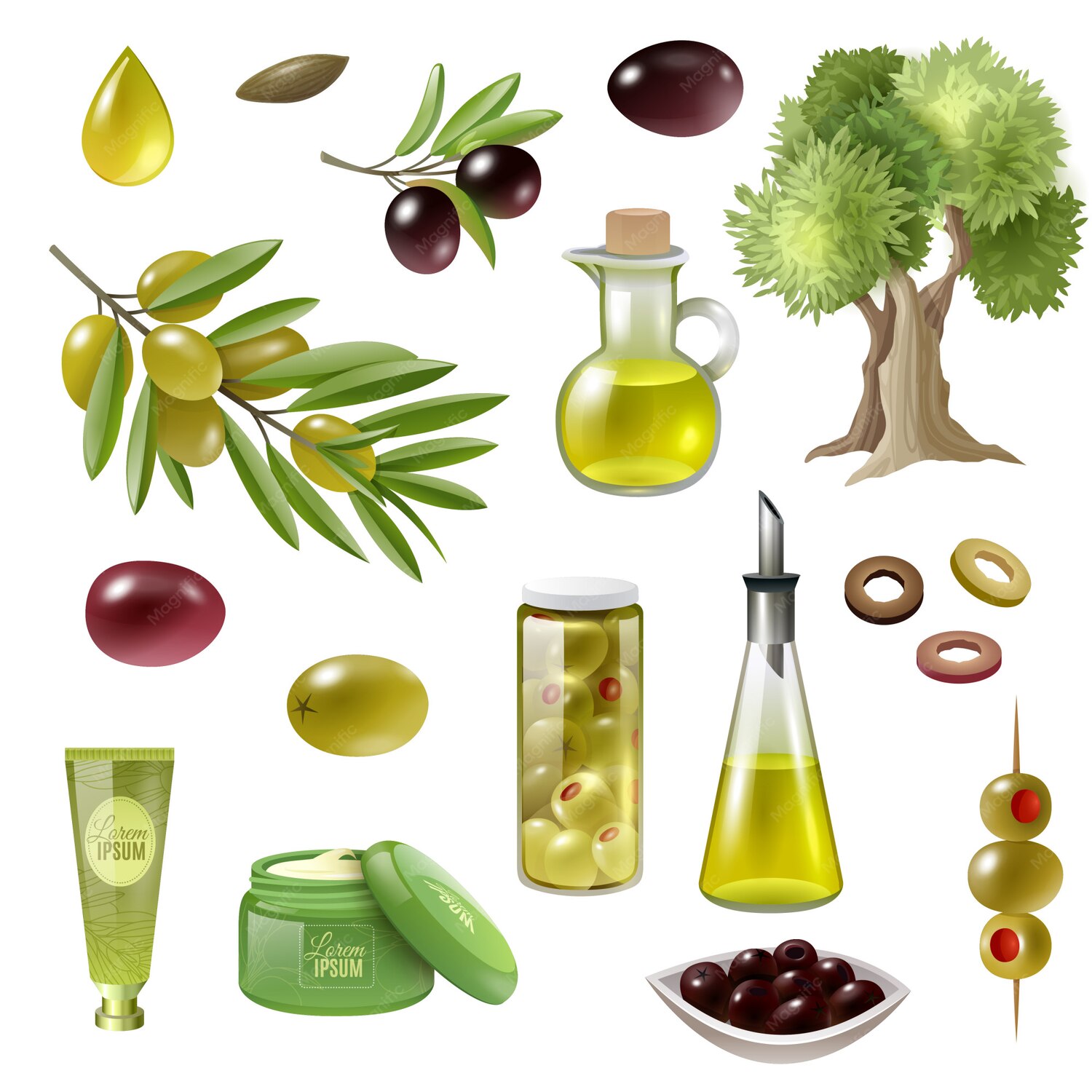
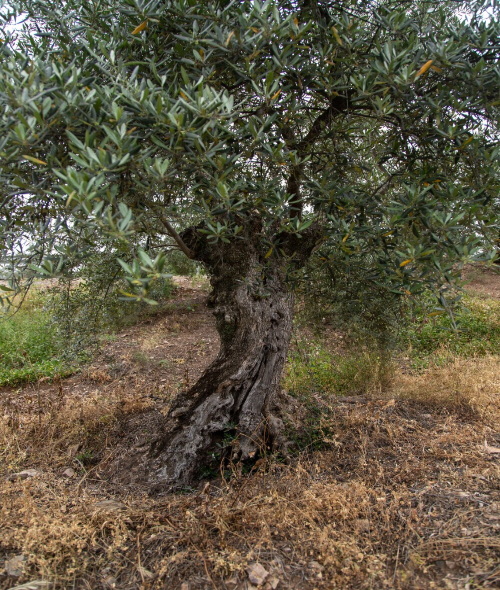
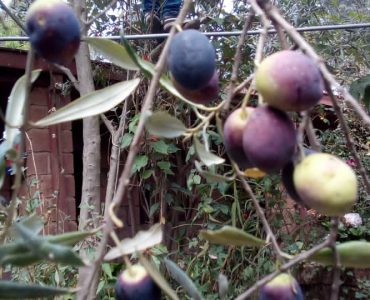
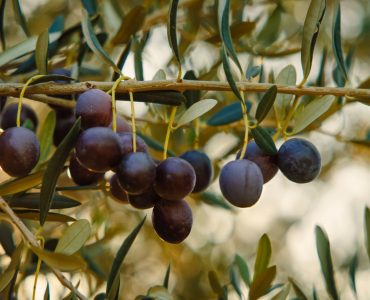
Olive trees are among the world’s most resilient and valuable crops. They thrive in semi-arid environments, help restore degraded landscapes, reduce soil erosion, improve biodiversity, and provide long-term economic benefits through the production of olives and olive oil.

For Ethiopia, olive cultivation represents an opportunity to diversify agriculture, strengthen food security, create employment, and build a sustainable agricultural sector that supports both local communities and national development.

Why Lalibela?

Lalibela is internationally recognized for its remarkable cultural heritage and breathtaking landscapes. Its high altitude, moderate climate, and suitable soils also provide excellent conditions for olive cultivation.

The project combines the region’s historical significance with modern agricultural innovation, creating a unique opportunity to conserve the environment while generating sustainable economic growth.

Our Testimonials

What They're Talking About Agrios

There are many variations of passages of available but the majortity have sufferred alteration in some form by injected humor or random word which don't look even.

There are many variations of passages of available but the majority have suffered alteration in some form by injected humor or random word which don't look even.

Bonnie Tolbert

There are many variations of passages of available but the majority have suffered alteration in some form by injected humor or random word which don't look even.
James Albert

There are many variations of passages of available but the majority have suffered alteration in some form by injected humor or random word which don't look even.

Bonnie Tolbert

Our Farm Benefits

Project Focus Areas

Sustainable Olive Cultivation

Establishing demonstration orchards and promoting best agricultural practices suitable for Ethiopia's diverse landscapes.

Sustainable Olive Cultivation

Establishing demonstration orchards and promoting best agricultural practices suitable for Ethiopia's diverse landscapes.

Environmental Restoration

Rehabilitating degraded land through tree planting, watershed management, and climate-resilient agricultural practices.

Research & Innovation

Working with universities, agricultural experts, and research institutions to identify suitable olive varieties and improve cultivation techniques.

Capacity Building

Providing education, practical training, and technical support for farmers, extension workers, and local communities.

Partnerships

Building strong collaborations with government institutions, NGOs, development agencies, investors, and academic organizations to ensure the long-term success of the project.

Quality Products

There are variation You need to be sure there is anything hidden in the middle of text.
From the Blog

News & Articles