

 05 July 2022
Lalibela Olive Tree Project Continues to Grow
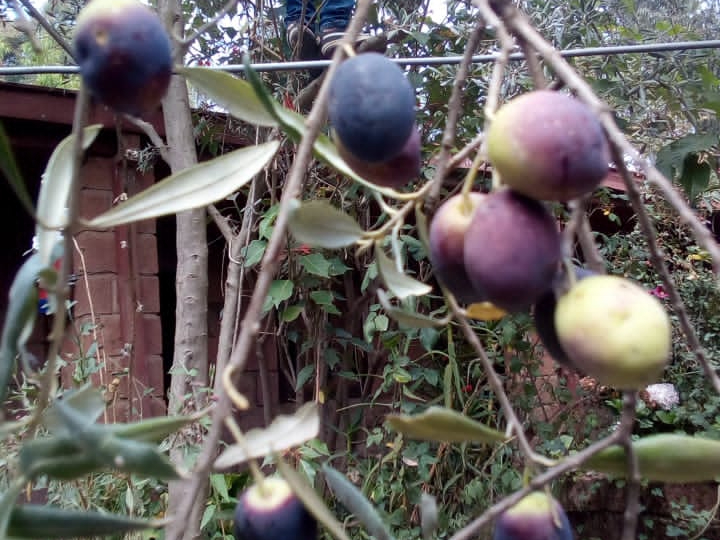
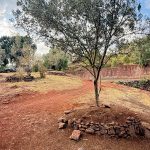
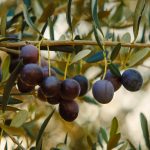
The Lalibela Olive Tree Project is entering an exciting new phase as it continues to promote sustainable olive cultivation and community development in Ethiopia. Building on the success of 3,000 olive trees that now produce fruit annually, the project is preparing to expand its activities and create even greater benefits for local communities and the environment.
Since its establishment, the project has focused on using olive cultivation as a tool for sustainable development. Through careful planning and long-term investment, the initiative is helping to improve rural livelihoods, restore degraded land, and create new economic opportunities in the Lalibela region.
Expanding the Olive Nursery
One of the project’s immediate priorities is expanding its olive nursery to produce more healthy, high-quality seedlings. A larger nursery will provide planting materials for future orchards and enable more farmers and communities to participate in olive cultivation.
This expansion is an important step towards increasing olive production and building a sustainable olive industry in Ethiopia.
Supporting Local Farmers
The project remains committed to empowering local farmers through practical training and technical support. Future programmes will focus on olive cultivation, nursery management, irrigation, orchard maintenance, and sustainable farming practices.
By sharing knowledge and improving farming skills, the project aims to increase productivity while creating long-term income opportunities for rural families.
Building Strong Partnerships
Collaboration is essential to the success of the Lalibela Olive Tree Project. We are actively seeking partnerships with government institutions, embassies, NGOs, universities, research organisations, private companies, and development agencies that share our vision of sustainable agriculture and rural development.
Together, these partnerships will help expand the project and maximise its positive impact.
Preparing for Olive Oil Production
A major milestone for the project is the planned establishment of a modern olive oil processing facility. Once operational, the facility will transform locally harvested olives into premium Ethiopian olive oil for both domestic and international markets.
This investment will create employment opportunities, add value to local agricultural production, and contribute to Ethiopia’s economic growth through future exports.
Protecting the Environment
Environmental conservation remains one of the project’s core priorities. Every olive tree planted contributes to restoring degraded land, improving soil quality, increasing biodiversity, reducing erosion, and helping to combat climate change.
As the project grows, so does its contribution to creating greener landscapes and a healthier environment for future generations.
Looking Ahead
Over the coming months, the Lalibela Olive Tree Project will focus on expanding the nursery, planting additional olive trees, securing more land, improving irrigation and water infrastructure, strengthening partnerships, and preparing for olive oil production.
These initiatives will bring the project closer to its vision of establishing Lalibela as a leading centre for sustainable olive cultivation in Ethiopia.
We thank all our partners, supporters, and community members for their continued encouragement and commitment. Together, we are growing more than olive trees—we are creating opportunities, restoring the environment, and building a sustainable future for Ethiopia.
Kevin Martin
It has survived not only five centuries, but also the leap into electronic typesetting unchanged. It was popularised in the sheets containing lorem ipsum is simply free text. sint occaecat cupidatat non proident sunt in culpa qui officia deserunt mollit anim id est laborum. Vivaus sed delly molestie sapien.